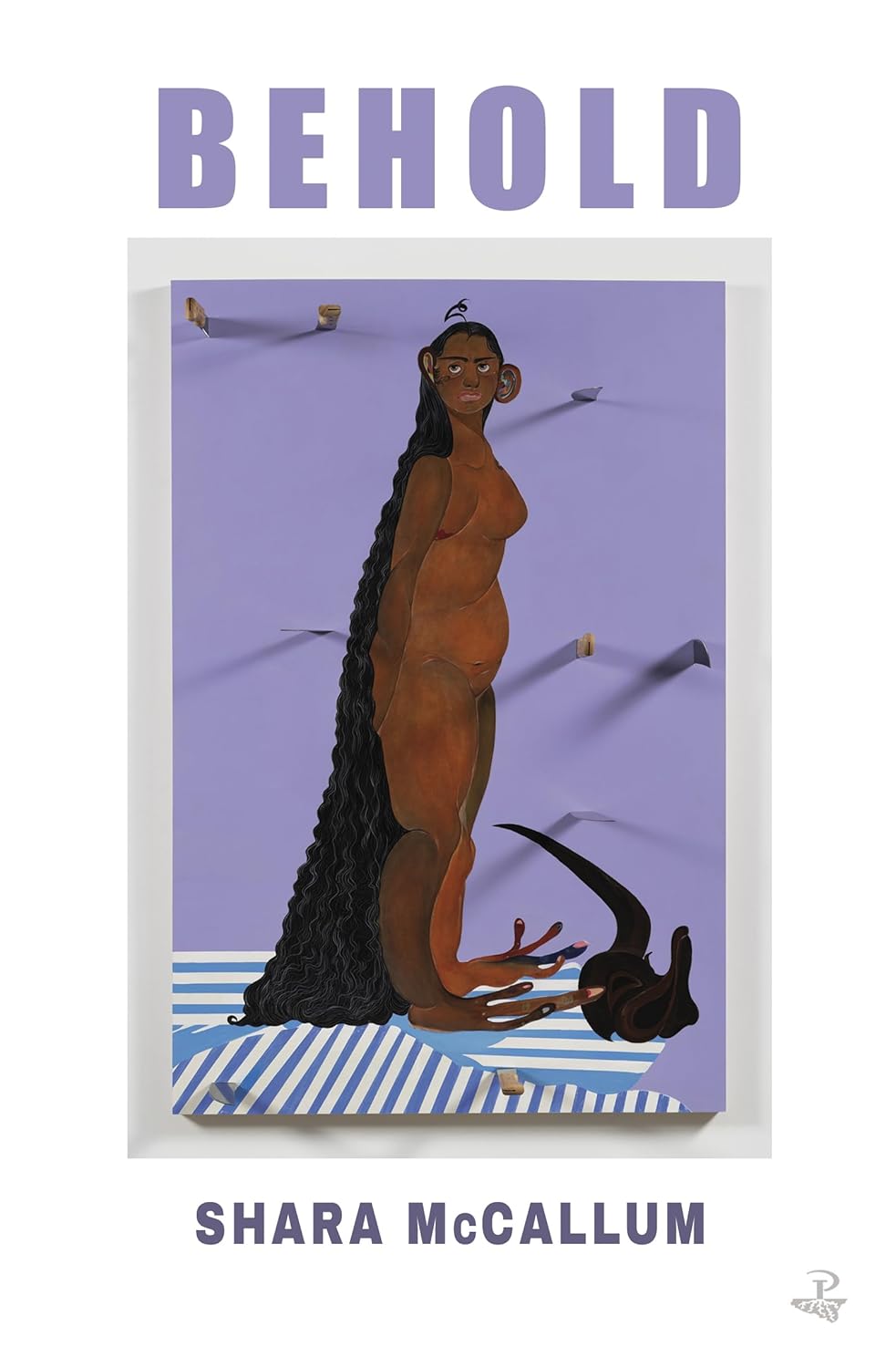
Behold, by Shara McCallum
(Peepal Tree Press, ISBN 9781845236113, pp. 72)
The seventh collection from the OCM-Bocas Prize-winning Jamaican-born poet holds within it luminous lines that speak to the contemporary Caribbean condition. “At this point, I don’t know what in me is Jamaican / versus American,” declares the narrator of ‘Self-Portrait’. “Or reaching further back, / Trinidadian, Venezuelan, African, Scottish, English … / you get the drift.” This enjambment of the human condition is, ultimately, the poet’s great subject, an interest that is reflected in Behold’s centering around the visual arts; it is a kind of diaristic testament to the gifts of boundary-crossing. “She walks into museums, galleries, and studios and reads artworks,” remarks curator Grace Aneiza Ali in a recent Instagram post about McCallum’s writing. Ekphrastic poems here include ‘The Storm’, a stunning sonnet in response to Memory: Future (2015) by Howardena Pindell and ‘Parable’, a haunting reflection on John Dunkley’s Feeding the Fishes (1940). Lost homes, closed paths, darkened trajectories—these are mediated by a nimble poetic sensibility that serves as its own kind of hope. The glorious poem ‘The Nude’ gives corporeal substance to the transmigration of the soul, memorably describing its subject thus: “She, the alpha and omega, unshackled / by the chaos of the universe.” And in ‘Passages’, the voice declares, “I have come / not to beg nor barter but to enter” and yet another metamorphosis occurs, one in which, “every migration / is a bird taking wing.” Says the publisher, “With precision and emotional charge, these poems reveal the beauty in every act of witnessing. Behold is a bold call to attention, a refusal of the shallow glance, and a powerful reminder of what becomes visible when we truly look.”
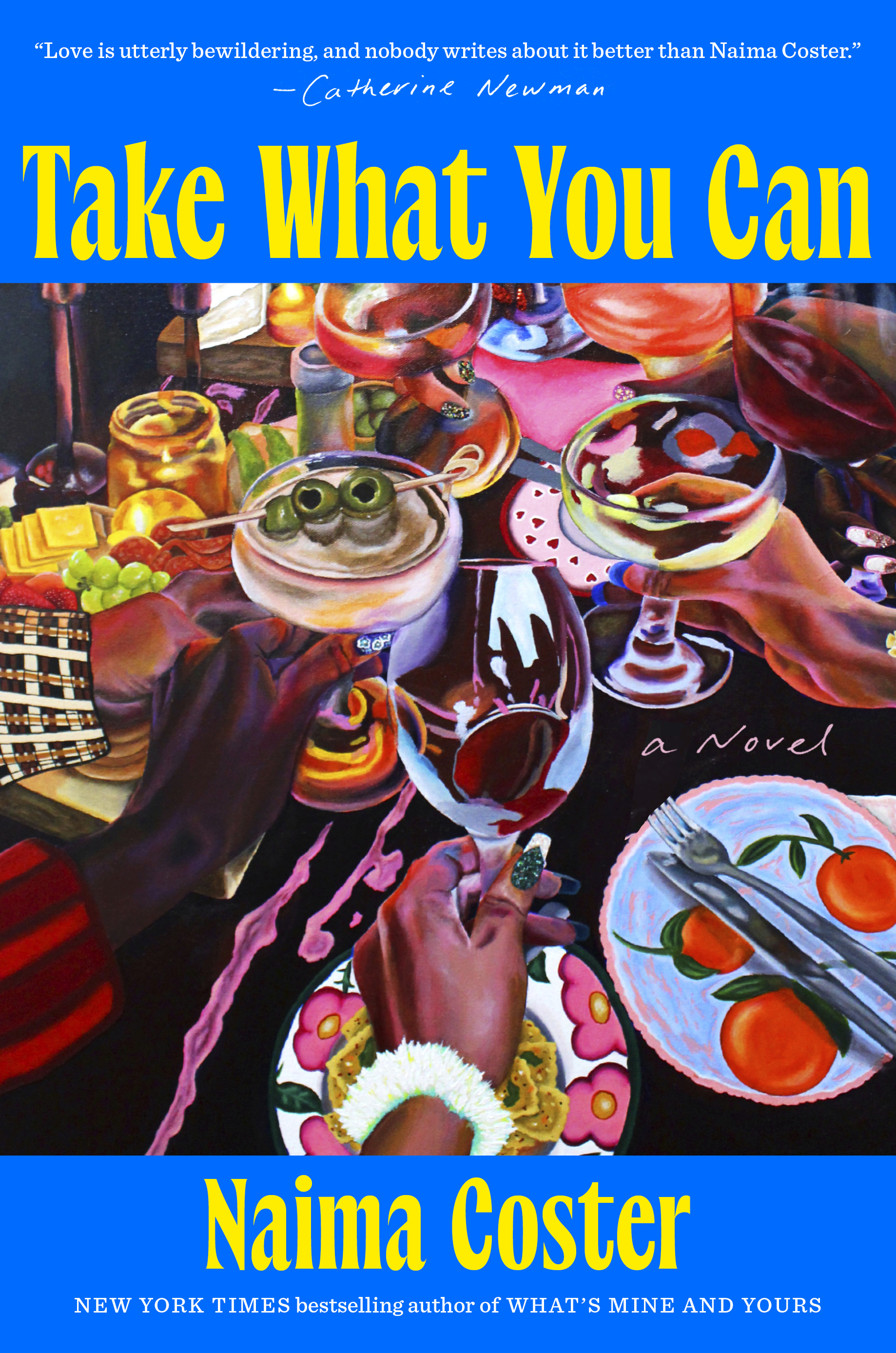
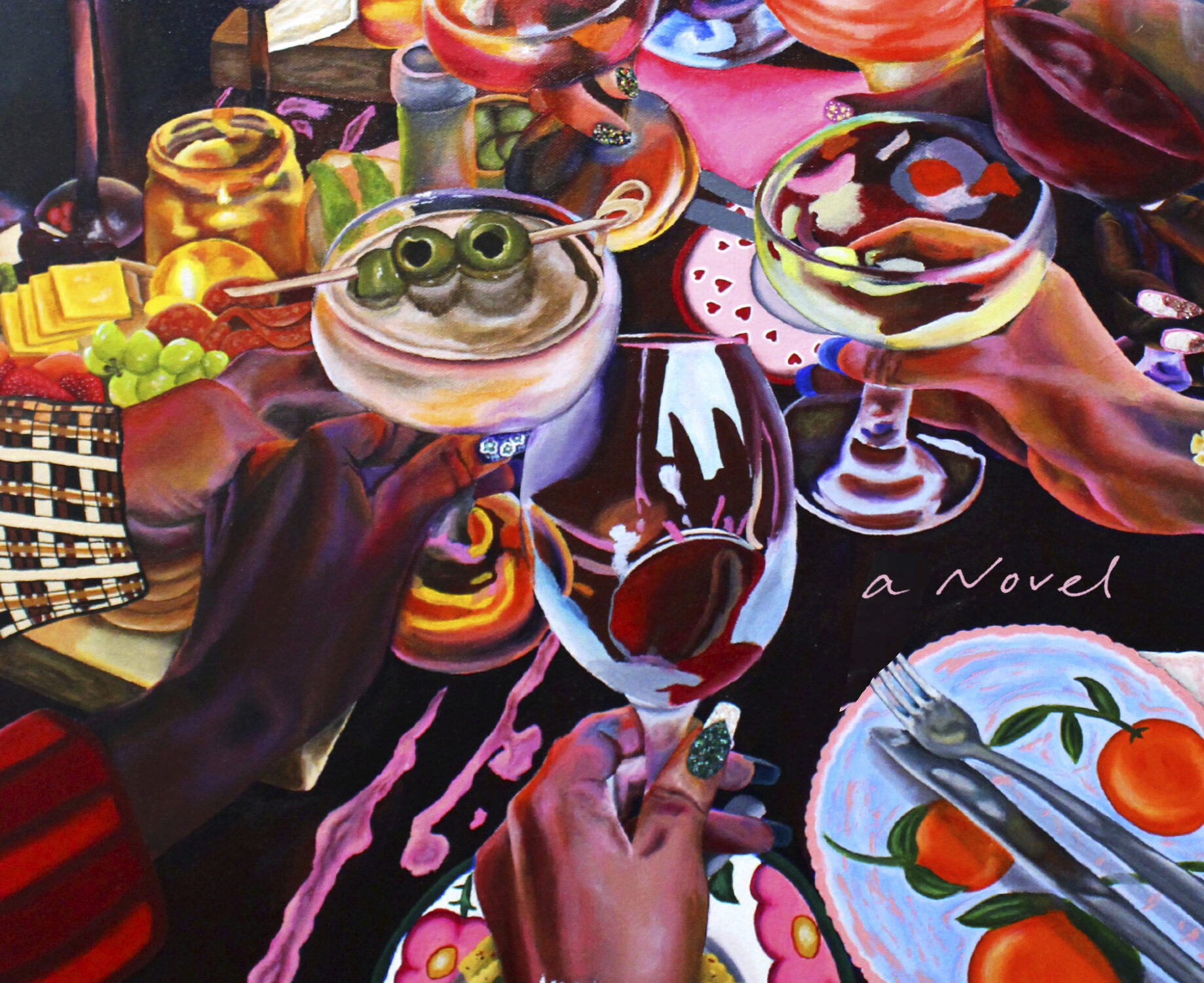
Take What You Can, by Naima Coster
(Pamela Dornan Books, ISBN 9780593833285, pp. 368)
The Dominican-American’s 2021 novel What’s Mine Is Yours effortlessly flit through different times, communities, countries and even stages within a relationship. It was the kind of book that felt urgent, that was very much a reflection of the contemporary world in which we live, telling a story about integration and the complexities – and simplicities – of identity. So, we’re very much looking forward to Costa’s forthcoming novel Take What You Can, which is due to be released in August. The story centres around two old school friends, Val and Milly, as they rekindle their friendship in their thirties, each now married and with a baby girl on the way. They plan to raise their daughters together after decades apart and to do so in New York—worlds away from how they had first met and become best friends: while on a study-abroad trip in France. But are they the same people? Have they changed? And will this arrangement work? Val, a journalist, becomes unsure if she will fit into Milly’s world, the world of an influencer who is married to restaurant royalty. The realities of class and social status, of married life and the demands of motherhood all soon begin to set it. It promises to be a compelling read. Says the publisher, “Weaving between Brooklyn brownstones and the glittering beaches of southern France, Take What You Can is a dazzling novel exploring what it means to be a mother when you have none, a sister without blood ties, and a woman in pursuit of the life she wants. With her signature sharply observed prose, Naima Coster illustrates how to be—and to stay—someone’s person through all phases of life.”
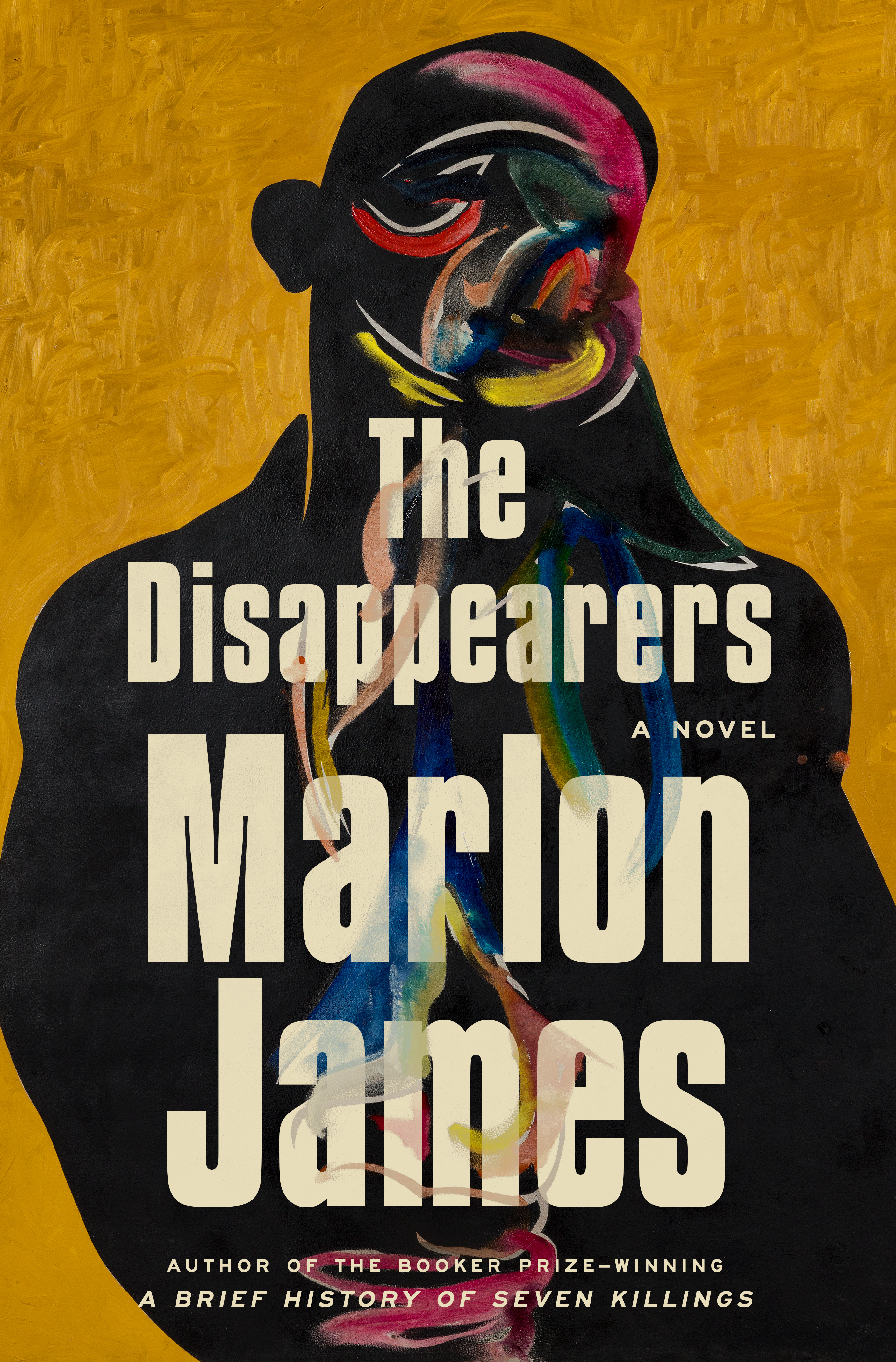
The Disappearers, by Marlon James
(Riverhead Books, ISBN 9780593717202, pp. 640)
James’ next book was supposed to be the conclusion to his masterful Dark Star Trilogy Series, following 2020’s Black Leopard, Red Wolf and 2023’s Moon Witch, Spider King. Instead, he’s surprised by recently announcing a new novel, The Disappearers, which is set to be published in September. The story, beginning in 1988 and set in Kingston, Jamaica, follows a group of gay men in the aftermath of a hate crime. Says the publisher, “As their bodies heal, each man grapples with the violence, the hatred, and the rage that the attack made plain. Some try to ignore what the attack has unearthed, while others double down on retribution. In The Disappearers, Marlon James has written a riveting and deeply human story of men forced to make compromises to survive what the society they live in demands. It is both a dramatic page-turner and an unflinching exploration of queer life in Jamaica during the 1980s and 1990s.” The cover art alone – by Jamaican Leasho Johnson – is enough to give you chills; we’re hoping we’ll be able to judge this one by its cover.